



 Atualmente, estão surgindo muitas notícias referentes à novas metodologias, inovações fora e dentro das salas de aula, novo currículo, desenvolvimento de habilidades interpessoais, socioemocionais, entre outros. Mas, dentre todos esses assuntos, um deve ganhar grande destaque – o mindset.
Mindset pode ser entendido como um conjunto de atividades mentais que podem influenciar diretamente os nossos pensamentos e comportamentos. A nossa maneira de enxergar as coisas reflete como será o nosso comportamento e quais serão as consequências disso – positivas, negativas ou neutras. De uma maneira mais simples, o tipo de mentalidade que cada um tem em relação à vida.
De acordo com estudos feitos pela psicóloga, professora da universidade de Stanford e uma das maiores referências nesse assunto, Carol S. Dweck, ph.D., por meio do nosso tipo de mindset, podemos ser otimistas ou pessimistas em diversos momentos de nossa vida, seja no âmbito pessoal ou profissional. Através das muitas pesquisas realizadas e descritas em seu livro Mindset – A nova psicologia do sucesso, ela conseguiu definir os dois tipos de mindset mais comuns, que podem ser identificados já nos primeiros anos de vida – mindset fixo e de crescimento.
Você sabia que as pessoas com mindset de crescimento são vistas como pessoas otimistas e que acreditam que seus talentos e habilidades podem ser desenvolvidas, desde que tenham esforço, dedicação e paciência perante os novos desafios?
Pessoas com esse tipo de mindset veem os desafios como uma oportunidade de crescimento e desenvolvimento e conseguem transformar as dificuldades em oportunidades, levando sempre em consideração todo o processo pelo qual passaram para chegar ao resultado.
Quer aprender a língua inglesa dentro de um Mindset de Crescimento, através de aulas personalizadas, on-line e ao vivo?
Agende já sua entrevista conosco, sem compromisso, e saiba mais sobre nosso moderno método de ensino.
 Advancing Knowledge of the United States ESL and ELL Curriculum
FDE (Faculty Development Program)
“A Project for Brazil”
World Chicago – Civic (Iowa Cities)
January 14-27, 2018
Action Plan: “Critical-Thinking through a Mindset Feedback System”
Fernanda Aguilar (Belo Horizonte), Patricia Paranhos (Belem), Sergio Rodrigo Piazzi (Juiz de Fora) and Claudia Crispi (Uba).
The aim of this Language Program is to guideline patterns to apply in Binational Centers (BNCs) in Brazil as well as providing collaborative and practical actions towards teachers, students, staff members and the community in which we are settled in order to implement improvements and exchange relevant experiences / information with educators and supervisors of various public schools (also private and non-private organizations) from Chicago and Iowa cities.
The team directed to this plan will base it on the philosophy of Critical-Thinking, in which the current Mindset technique is also applied so as to foster a more learning autonomic environment.
Moreover, a Reflexive Learning and Teaching style will lead all the above into a more natural feedback system throughout accountability in terms of creativity, language acquisition, coach teaching, innovation and leadership
Key words:
1st) Present findings about Iowa / Chicago Second Language Programs to other education leaders in Brazil.
Lia Plankans through her research and teaching that mainly focus on assessment introduced us to what she called Assessment Literacy, which we found very enriching indeed. A similar Special Project will be implemented in our BNCs, which means: you test what you need to be tested, so you think about what is necessary to change. For instance, there are times in which grammar needs to be tested while others don’t.
As shown below, based on Dr. Plankans’s model, there is a brand-new Graded System has recently been developed for one of the BNCs:
Score Passing Grade: 70%
Attendance: 70%
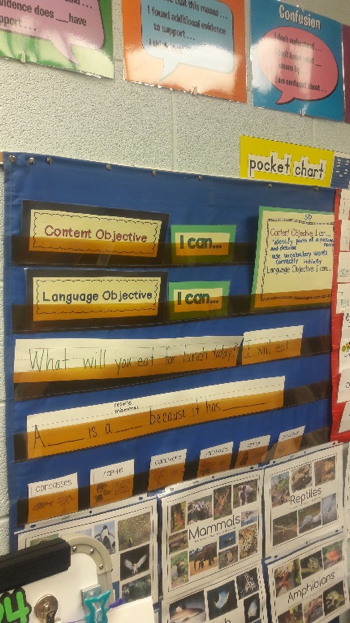
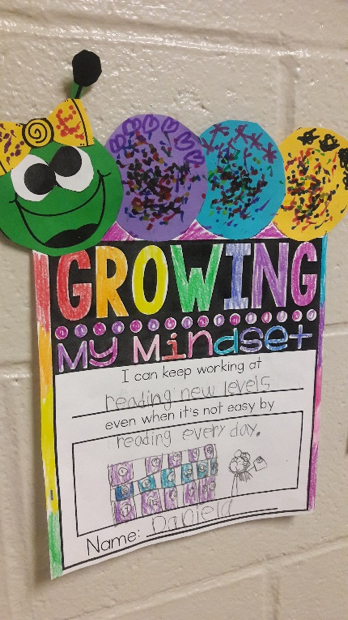
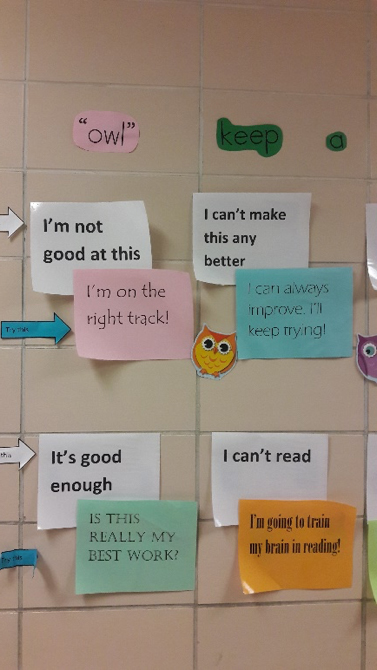
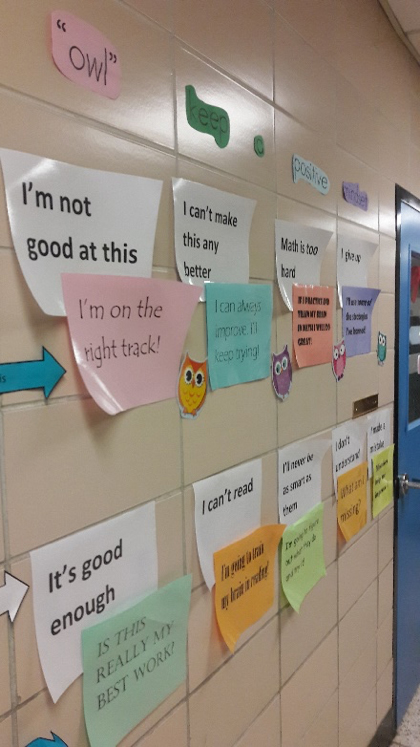
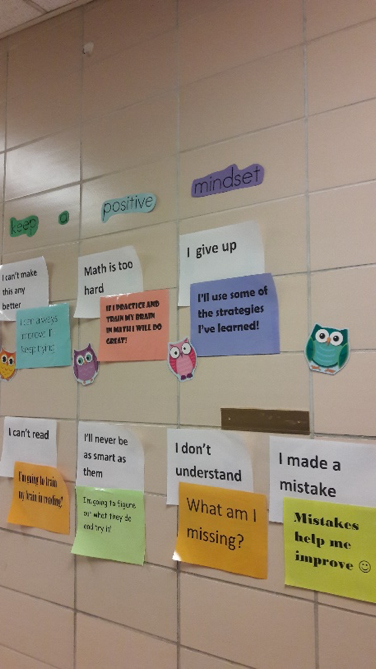
Furthermore, having visited West Liberty Elementary and learned more about their dual-language program was a unique opportunity of learning more about the power of Mindset and really notice how the entire school is exposed to this new behavioral and cognitive approach.
All the posters, pictures and sentences on their boards were completely based on mind setting techniques, which are very useful and will certainly be adopted by us and adapted to our realities.
And last but not least, The Academy for Global Citizenship of Chicago offered us the opportunity to become more aware of our important role of educators concerning of a more civilized society, in which students are taught to constantly think about their impact on their communities.
Sustainability, flexibility and a collaborative environment through democracy – horizontal model of leadership – ties up with a more student-centered style, which will also be implemented in our schools by transforming our management system into a way of making everyone naturally committed to common purposes.
2nd) Identify areas in one’s program school or district that can begin adapting similar organizational or pedagogical practices from Iowa / Chicago schools.
POSSIBLE SETBACKS THAT MAY OCCUR DURING THE PROCESS OF IMPLEMENTING THE CRITICAL THINKING PHILOSOPHY
3rd) Establish professional development sessions for teachers and administrators in Brazil on issues such as innovation, creativity and leadership.
Establishing a common Coach Teaching Program in which we will share our knowledge and strengthen our bonds as BNCs is absolutely recommended to survive in an aggressive chain-school market. Considering distance among our schools, implementing a virtual project is our first plan to save costs and bring about innovation, using our own staff through a collaborative creative environment.
 CONCLUSION
 Based on the inferences above mentioned, we conclude that the expertise provided by the FDE program sponsored by the American Embassy along with the Department of State will bring deep and substantial changes in our managerial and educational system, thus involving the entire community. Furthermore we believe that our American Spaces will probably have an outstanding projection in our environment which is one of our main expectations. This will definitely help us consolidate credibility in our society.
Finally, we are conscious that it is an endless and changeable plan and that it may be reviewed from time to time so that we can adapt it to our necessities